Rwanda



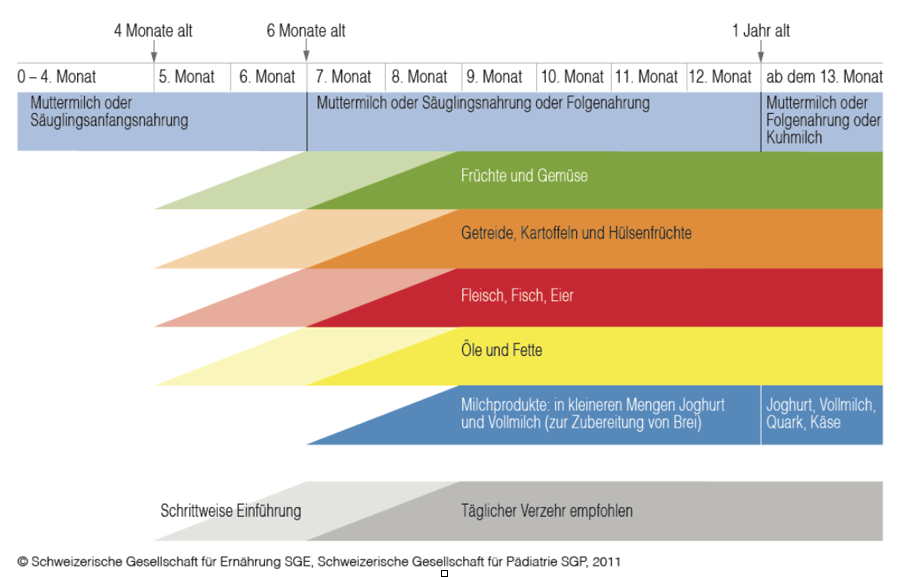
It’s very important to remember that breastmilk is the best and most nutritious food for infants in their first months of life. That is why the World Health Organization (WHO) recommends exclusive breastfeeding until about six months of age. Complementary foods (non-milk foods used when weaning) are advised to be introduced alongside breastmilk between five to seven months - depending on the child and how they develop, as well as external circumstances. When weaning, it’s important to make sure you are using fresh ingredients and/or high-quality infant and baby formula from a trusted brand, such as Primalac.
Every child is different when it comes to weaning. Furthermore, parents’ lifestyles have a huge effect on how babies are fed in the first months of life. For example, breastfeeding can be a real challenge, and for some people it may simply not work out. Others are unable to do it for logistical reasons. If this is your situation, trust your instincts about your child’s needs and speak to a trusted health professional (such as a pediatrician, midwife or lactation consultant). Ultimately, it’s up to you to decide what’s best for you, your child and your family.
Here’s a practical tip: If your child is not yet able to sit up on their own, use a reclining baby chair or a highchair with suitable supports while feeding. Your child’s head should always be positioned higher (more upright) than the rest of their body when they’re eating.
Making your baby’s first foods is a great option. Some of the best foods to start baby led weaning are the fruits and vegetables that you already have at home.
Preparing baby food is easy if you have a few simple tools in your kitchen. All you have to do is add fruit or vegetables into a steamer or pot of boiling water, and then blend them into a puree once cooked. It’s best to cook food fresh to use immediately when you can. However, if there are leftovers you may need to know how long to store baby food in the fridge. It is recommended to consume the prepared baby food within two days. After that, it should be thrown out.
Deciding what foods to introduce to your baby first will likely depend on the season and where you live, but carrots, sweet potatoes, parsnips or pumpkins, as well as apples, bananas and pears – are all great first foods for infants. From five or six months, you can also offer meat in addition to fruits and vegetables, but they should all be in the form of a puree.
Start weaning by introducing small portions of complementary foods and try offering your child the same puree for a few days in a row. This will allow your child to get used to the new food over time. It will also give their body and taste buds time to adapt. Using this approach will also help reveal any intolerances or allergies your child may have. Signs and symptoms of food allergies in babies usually manifest as redness of the skin, diarrhea or stomach pain. If such symptoms occur, stop offering the food that appears to have caused the reaction and seek advice from a health professional.
When weaning, you can also give your child unsweetened tea and purified water. If you’re unsure of the safety of your tap water, boil the water first and then cool it down, or provide you child with purified bottled water.
At night, it’s best to breastfeed your baby or give them a bottle of formula milk. Parents often wonder about whether their baby can drink cow milk. Cow milk for infants should be limited and is only recommended starting from one year old. Before then, breastmilk or high-quality infant formula are the better choice.
Don’t put pressure on yourself or your child when they begin weaning. Observe their reactions and continue offering them complementary foods starting from five or six months. Your child will let you know in their own way whether or not they need these foods yet and whether they like them. If you have questions, ask. Healthcare professionals, other mothers, your own mother or maybe even your grandmother can provide advice.
Sources:
Schweizerische Gesellschaft für Ernährung SGE, Schweizerische Gesellschaft für Pädiatrie SGP, 2011

 Back
Back